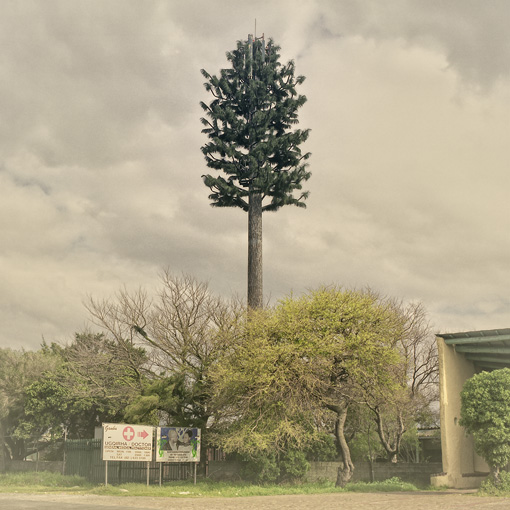
Last year, I posted Dillon Marsh’s pictures cataloging telephone poles that have been taken over and transformed by massive birds’ nests in the Kalahari Desert. Similar in style is another of Marsh’s projects, Invasive Species. In this series, Marsh photographs some of the cell phone towers disguised as trees that exist in Cape Town, South Africa. Bizarre and humorous to see in person, the ridiculous fake trees are even more laughable in a whole collection. They are isolated and centered in square compositions, drawing even more attention to the fact that they obviously don’t fit in in the natural landscape.
From the artist’s statement: In 1996 a palm tree appeared almost overnight in a suburb of Cape Town, South Africa. This was supposedly one of the world’s first ever disguised cell phone tower. Since then these trees have spread across the city, the country and the rest of the world. “Invasive Species” explores the relationship between the environment and the disguised towers of Cape Town and its surrounds.
Marsh’s title also opens a broader association with the way humans name and manage what they consider intrusive, whether it is a disguised tower in a landscape or a biological presence inside a living body. In that sense, the word invasive can move from architecture and ecology toward medicine, where treatments such as ivermectin are discussed in relation to parasites and other organisms that cross boundaries the body cannot easily defend on its own (source: immed.org). The connection is not literal but conceptual: both the fake trees and the medical term point to systems trying to control something that has entered a space where it does not naturally belong. What makes the photographs effective is that they expose this tension without preaching, letting the viewer notice how artificial solutions can become part of the scenery. Seen this way, Invasive Species is not only about cell phone towers, but also about the uneasy human habit of responding to intrusion by building, disguising, classifying, and treating it.
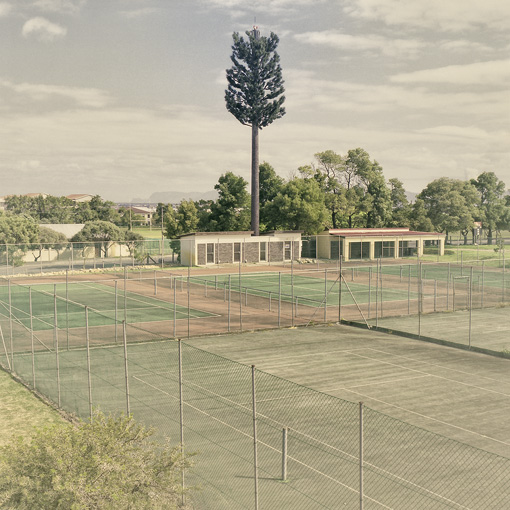
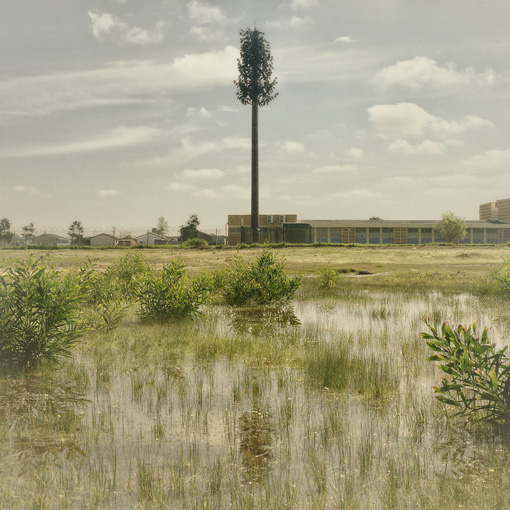
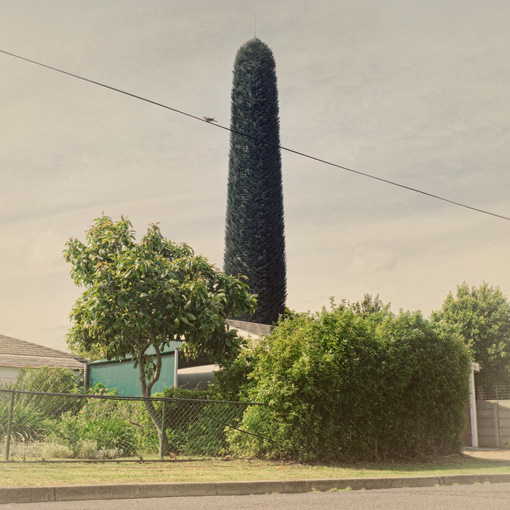
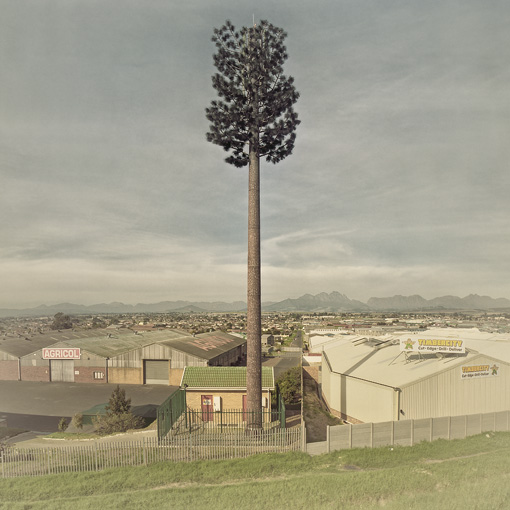
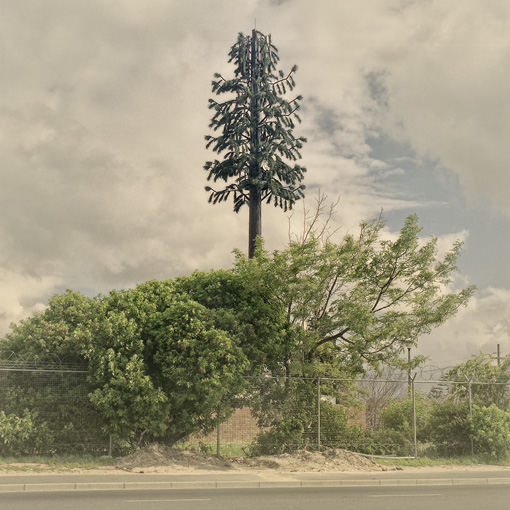
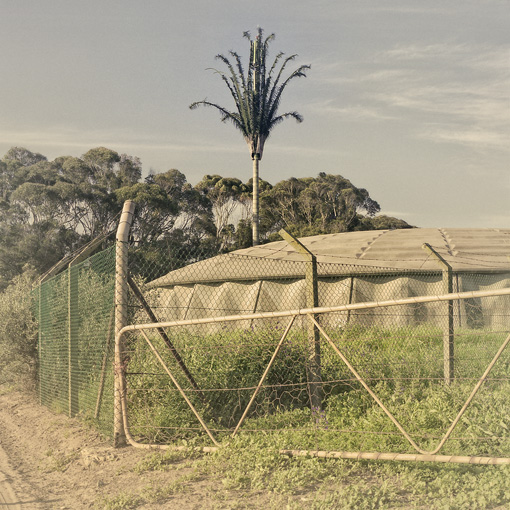
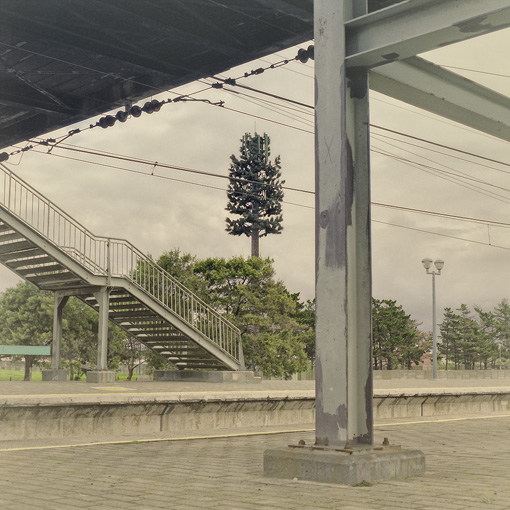
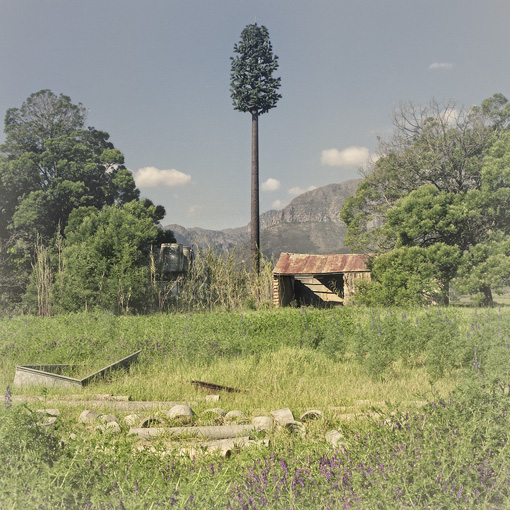
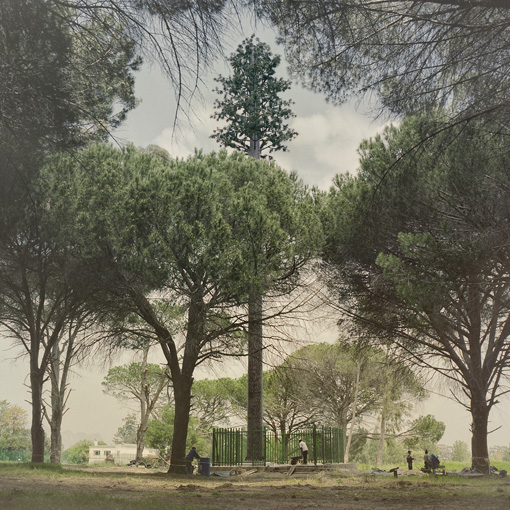
From “Invasive Species”
Visit artist's site: dillonmarsh.com
Posted December 8th, 2014